Understanding immune evasion to advance cancer therapy
We investigate how tumor cells escape immune surveillance — and leverage these insights to develop novel immunotherapeutic strategies.
// immune escape mechanisms
Research Focus
Current Projects
The adaptive immune system is a powerful weapon against cancer — yet tumors evolve to evade it. We study this interplay across interconnected programs.
01
Cancer–Immune Crosstalk in Acute Leukemias
We characterize how leukemia cells reshape their immune microenvironment to escape T cell–mediated killing. Using multi-parametric flow cytometry and single-cell transcriptomics, we map immune evasion pathways in AML and ALL to identify actionable therapeutic targets.
AML · ALL · Immune Microenvironment
02
Dendritic Cells in T Cell–Based Immunotherapy
Dendritic cells orchestrate adaptive immunity, yet their role in modulating response to T cell therapies remains poorly defined. We investigate how DC subsets shape the efficacy of BiTE antibodies and CAR-T cells in hematologic cancers.
Dendritic Cells · CAR-T · BiTEs
03
Tumor Antigen Expression & Immune Escape in Solid Tumors
Heterogeneous antigen expression enables immune escape beyond hematologic cancers. We analyze neoantigen presentation patterns and their impact on T cell recognition to inform peptide-based and cellular immunotherapy design.
Neoantigens · Solid Tumors · T Cell Recognition
Methodology
How We Work
We bridge clinical hematology with fundamental immunology, combining patient-derived samples with cutting-edge technology platforms.
High-Dimensional Cytometry
Spectral and conventional flow cytometry with 25+ marker panels for deep immune profiling of patient samples.
Basic Tumor Immunology
We study T cell priming and the mechanisms that govern the initiation of anti-tumor immune responses using in vitro and ex vivo model systems.
Clinical Translation
We use preclinical models and patient-derived samples to drive translational approaches, bridging mechanistic insights with clinical application.
People
Our Team
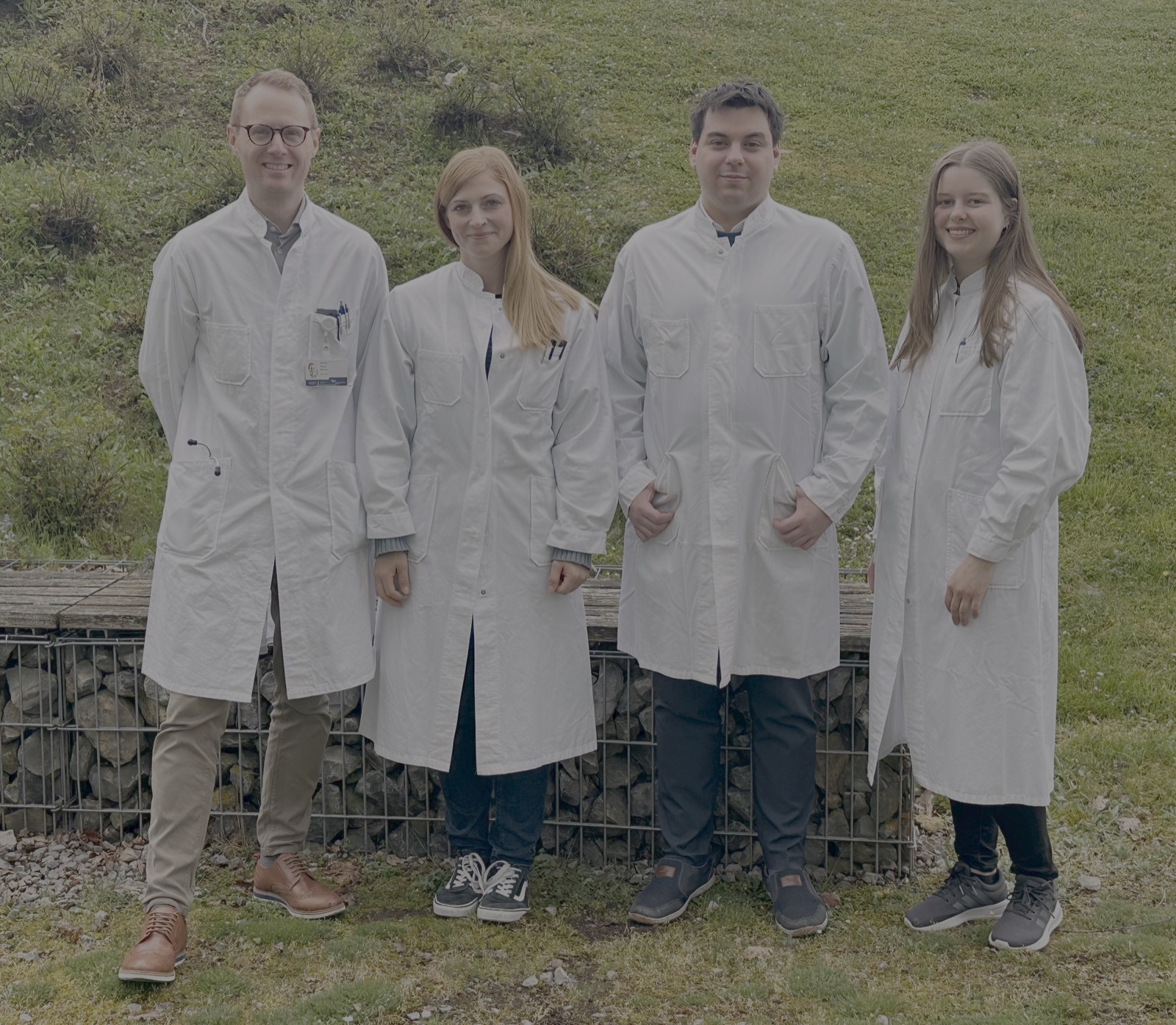
Our lab is united by a shared goal: understanding immune evasion to improve cancer therapy and enjoy science!
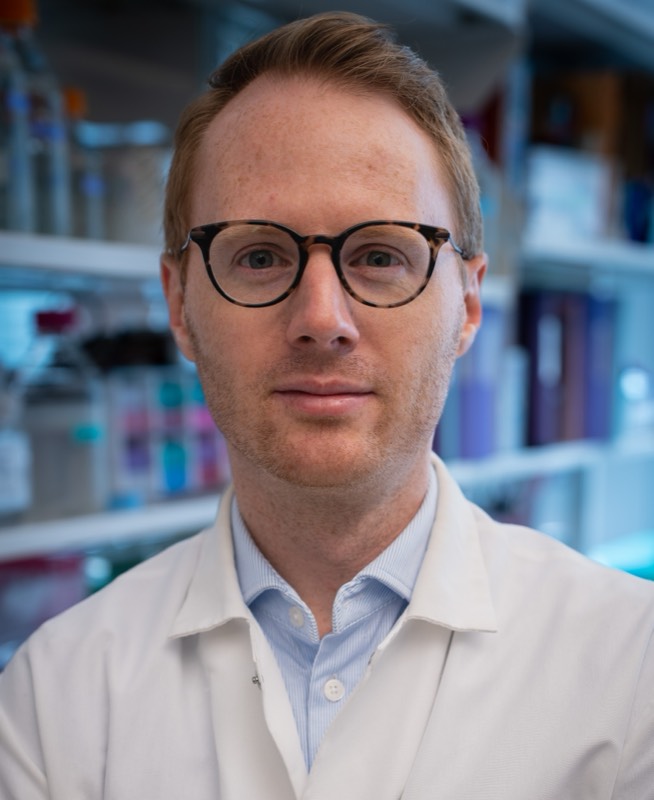
PD Dr. Malte Rörden
Group Leader & Attending Physician
Hematology/Oncology · Internal Medicine II
LS
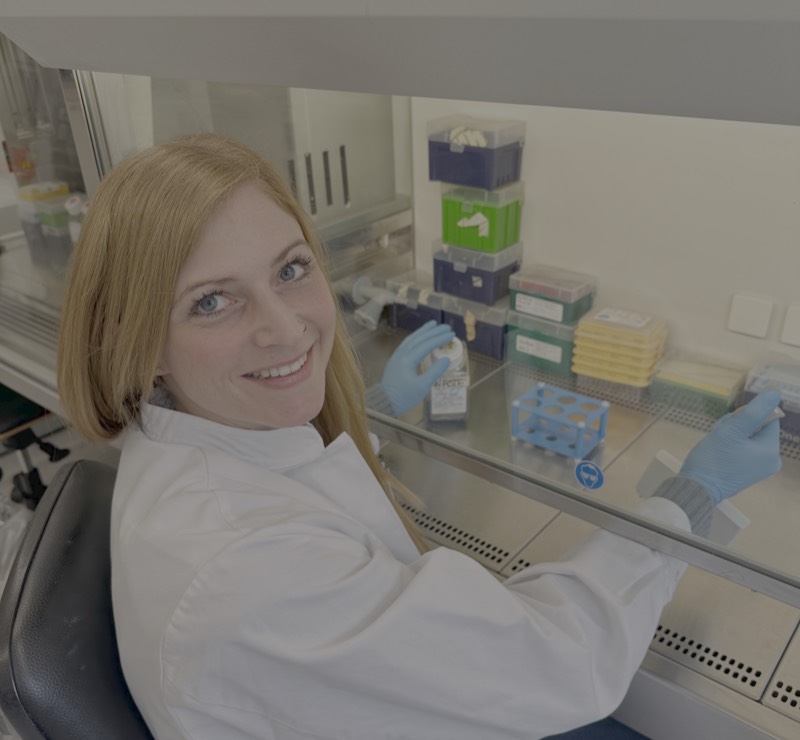
Laura Schymassek
MD Student
Hematology & Oncology
JB
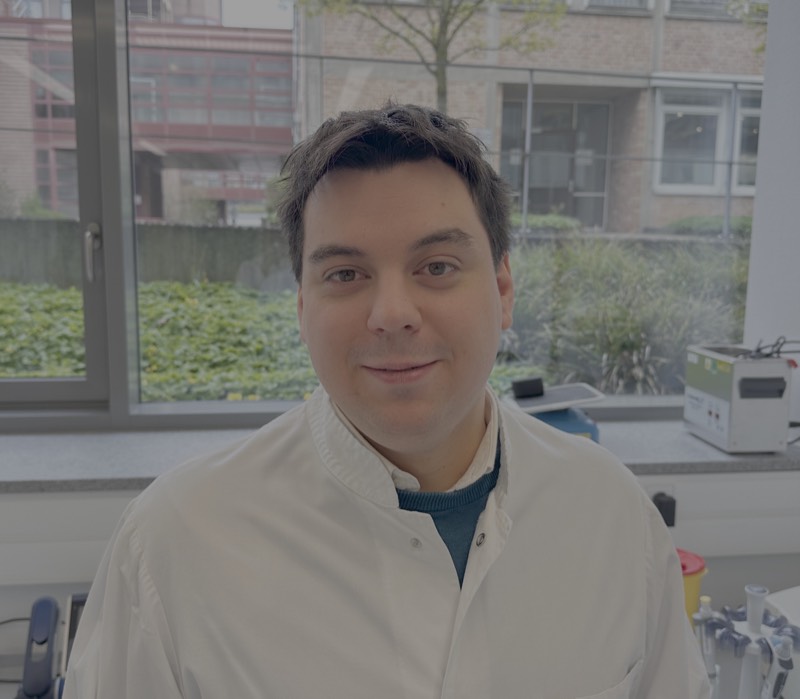
Jason Barber
MD Student
Hematology & Oncology
Kerstin Novy
Technician
Hematology & Oncology
Patrick Cosic
PhD Student (Joint Supervision)
Hematology & Oncology
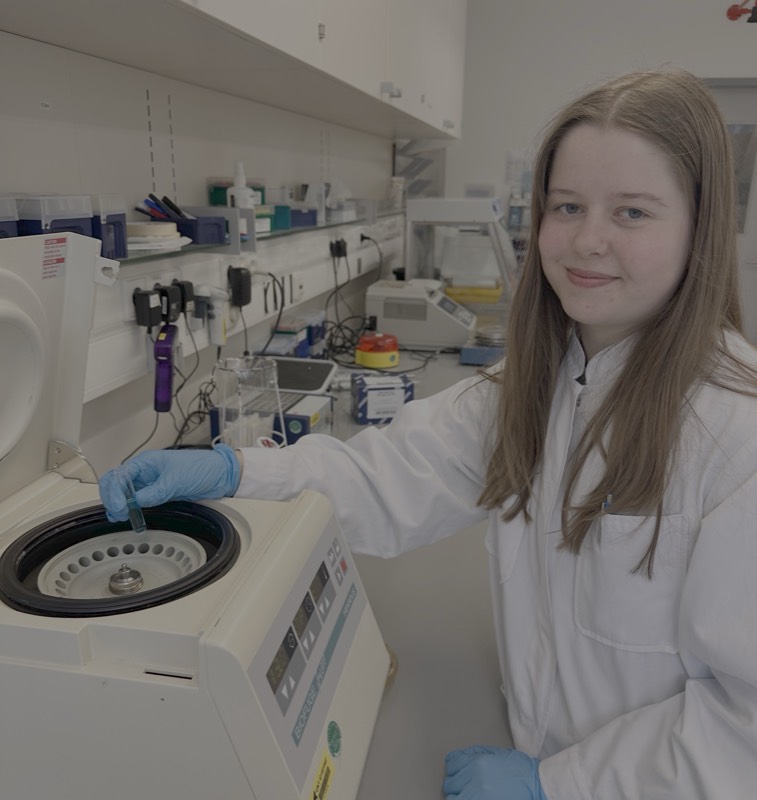
Laura Karas
Master Student, Lab Rotation
Hematology & Oncology
Principal Investigator
Malte Roerden is a physician-scientist in the Department of Hematology and Oncology at University Hospital Tübingen. His research focuses on mechanisms of cancer immune evasion and the development of novel immunotherapeutic strategies, with particular emphasis on hematologic malignancies.
Publications
Selected Publications
For a complete list, see
PubMed or
Google Scholar.
-
2025
Cancer immune evasion, immunoediting and intratumour heterogeneity
Roerden M, Spranger S
Nature Reviews Immunology, 25(5):353–369
DOI ↗
-
2024
Neoantigen architectures define immunogenicity and drive immune evasion of tumors with heterogeneous neoantigen expression
Roerden M, Castro AB, Cui Y, Harake N, Kim B, Dye J, Maiorino L, White FM, Irvine DJ, Litchfield K, Spranger S
Journal for ImmunoTherapy of Cancer, 12(11):e010249
DOI ↗
-
2023
Decoupled neoantigen cross-presentation by dendritic cells limits anti-tumor immunity against tumors with heterogeneous neoantigen expression
Nguyen KB*, Roerden M*, Copeland CJ, Backlund CM, Klop-Packel NG, Remba T, Kim B, Singh NK, Birnbaum ME, Irvine DJ, Spranger S
eLife, 12:e85263
DOI ↗
-
2023
Immune surveillance of acute myeloid leukemia is mediated by HLA-presented antigens on leukemia progenitor cells
Nelde A*, Schuster H*, Bilich T, Bauer J, Roerden M, Schroeder SM, ..., Walz JS
Blood Cancer Discovery, 4(6):468–489
DOI ↗
-
2022
Increased soluble HLA in COVID-19 present a disease-related, diverse immunopeptidome associated with T cell immunity
Nelde A, Rieth J, Roerden M, Dubbelaar ML, ..., Walz JS
iScience, 25(12):105643
DOI ↗
-
2022
A COVID-19 peptide vaccine for the induction of SARS-CoV-2 T cell immunity
Heitmann JS, Bilich T, Tandler C, Nelde A, Maringer Y, Roerden M, ..., Walz JS
Nature, 601:617–622
DOI ↗
-
2021
Impact of mantle cell lymphoma contamination of autologous stem cell grafts on outcome after high-dose chemotherapy
Roerden M, Wirths S, Sökler M, Bethge WA, Vogel W, Walz JS
Cancers, 13(11):2558
DOI ↗
-
2020
SARS-CoV-2-derived peptides define heterologous and COVID-19-induced T cell recognition
Nelde A*, Bilich T*, Heitmann JS, Maringer Y, Salih HR, Roerden M, ..., Walz JS
Nature Immunology, 22:74–85
DOI ↗
-
2020
HLA evolutionary divergence as a prognostic marker for AML patients undergoing allogeneic stem cell transplantation
Roerden M, Nelde A, Heitmann JS, Klein R, Rammensee HG, Bethge WA, Walz JS
Cancers, 12(7):1835
DOI ↗
-
2020
Mass spectrometry-based identification of a B-cell maturation antigen-derived T-cell epitope for antigen-specific immunotherapy of multiple myeloma
Bilich T, Nelde A, Bauer J, Walz S, Roerden M, ..., Walz JS
Blood Cancer Journal, 10:24
DOI ↗
-
2019
Neoantigens in hematological malignancies — ultimate targets for immunotherapy?
Roerden M, Nelde A, Walz JS
Frontiers in Immunology, 10:3004
DOI ↗
-
2019
The HLA ligandome landscape of chronic myeloid leukemia delineates novel T-cell epitopes for immunotherapy
Bilich T*, Nelde A*, Bichmann L, Roerden M, Salih HR, ..., Walz JS
Blood, 133(6):550–565
DOI ↗
* denotes equal contribution · For a complete list of 44+ publications, see ORCID or Google Scholar (2,000+ citations).
News & Updates
Latest from the Lab
Recent milestones, events, and announcements.
2024
Württembergischer Krebspreis awarded
Malte Roerden has been awarded the Württembergischer Krebspreis in recognition of his research on immune evasion mechanisms in hematologic malignancies.
2025
New funding by José Carreras Stiftung
We have received funding from the Deutsche José Carreras Leukämie-Stiftung to investigate the role of dendritic cells in bispecific T cell engager therapy.
2025
Henriette und Othmar Eier Stiftung grant
We have received funding from the Henriette und Othmar Eier Stiftung to study T cell phenotypes prior to CAR-T cell manufacturing.